
Mission and Shaker furniture have been around for over a decade now. However, if you’re not familiar with the characteristics of these two designs, you might not be able to tell them apart. In the ongoing conversation of Mission vs Shaker, it helps to understand their defining traits and origins. These styles are primarily made today by Amish furniture manufacturers across the United States, but they are not exclusive to this group. Both of these styles originated from entirely different American backgrounds. Understanding these backgrounds can help you identify them in the modern industry.
How These Amish Furniture Styles Came to Be
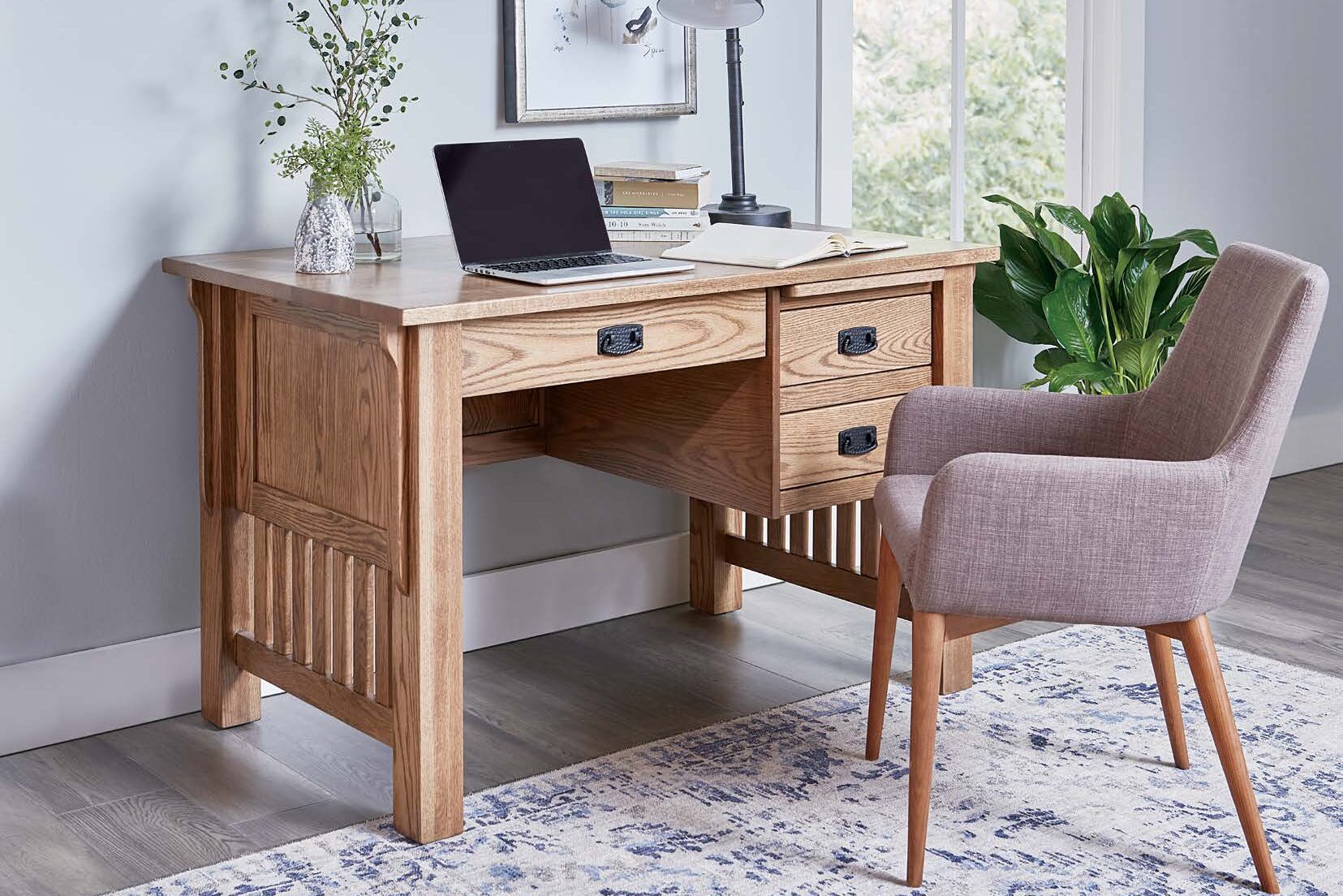
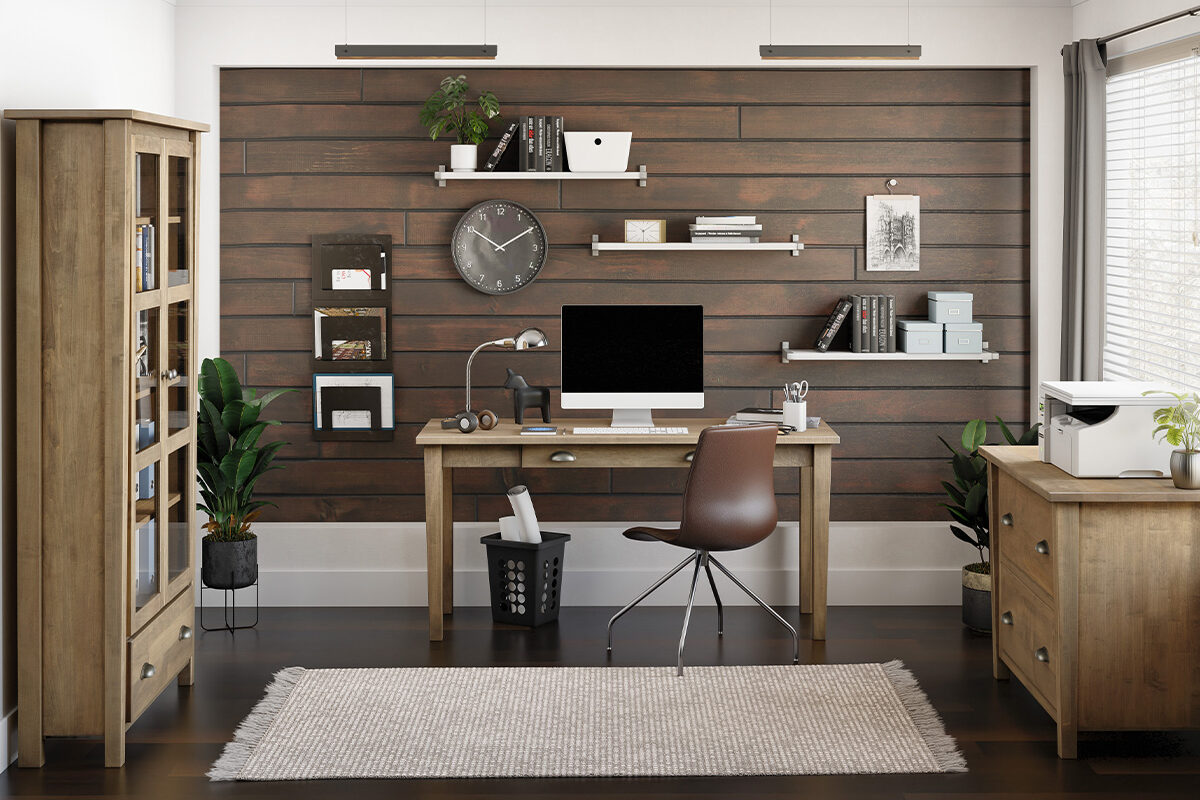
The Shaker style is appropriately named after its origins, the “Shaking Quaker” community of the early 1800s. These were people who did everything to make their lives practical and straightforward. This conviction carried over into their furniture as well. No fancy embellishments, no bold colors, and the designs were heavily focused on functionality.
While similar, the approach of Mission Furniture in the late 1800s differed slightly. The simplicity of this furniture was simply a way to protest the unnecessary fancy features of Traditional furniture that compromised functionality. Craftsmen sought to utilize natural materials, prioritize practicality, and place less emphasis on aesthetics. This furniture, as we know it today, has evolved since the designs of the Spanish Missions in the American West, the Arts & Crafts Movement, and into the casual designs of the 1980s.
Straight and Simple Sides
This shared trait of simplicity is why many are unsure of how to distinguish between Mission vs Shaker styles. They were both created in pursuit of less extravagant designs that still show excellent craftsmanship.
Both of them have flat sides, and are made mostly of warm-toned American hardwoods. However, some telltale signs can help you distinguish between the two.
Heavy Silhouettes vs. Airy Frames
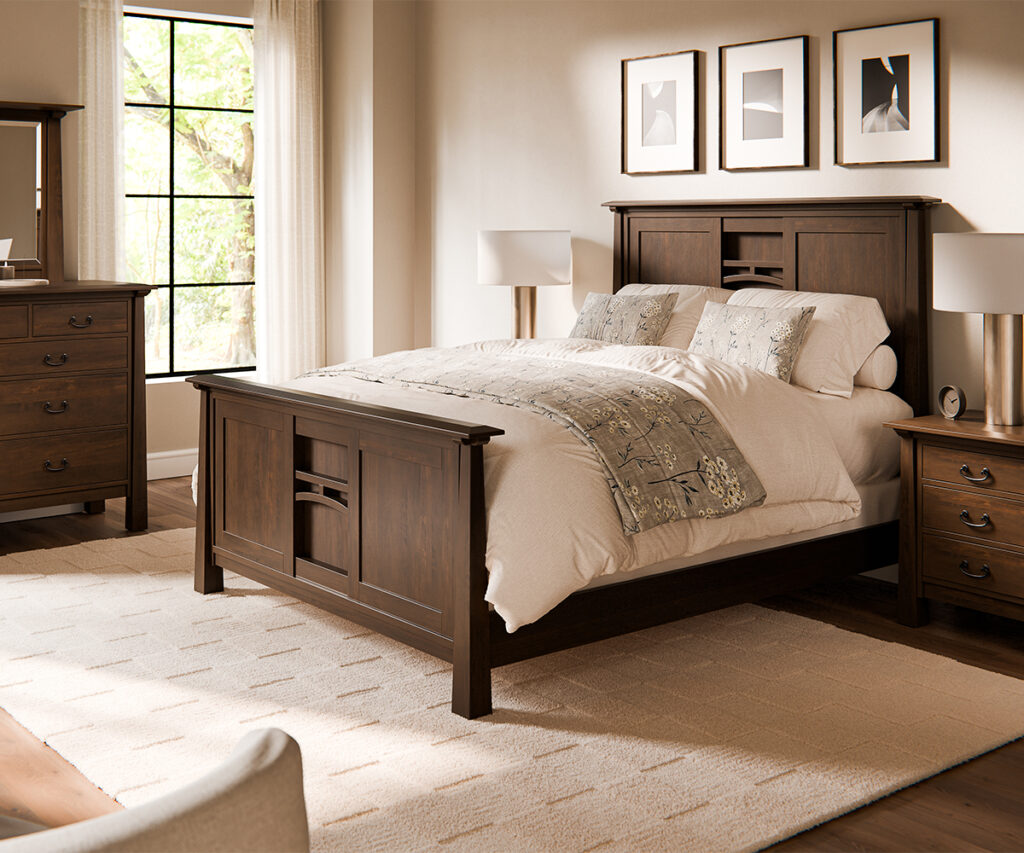
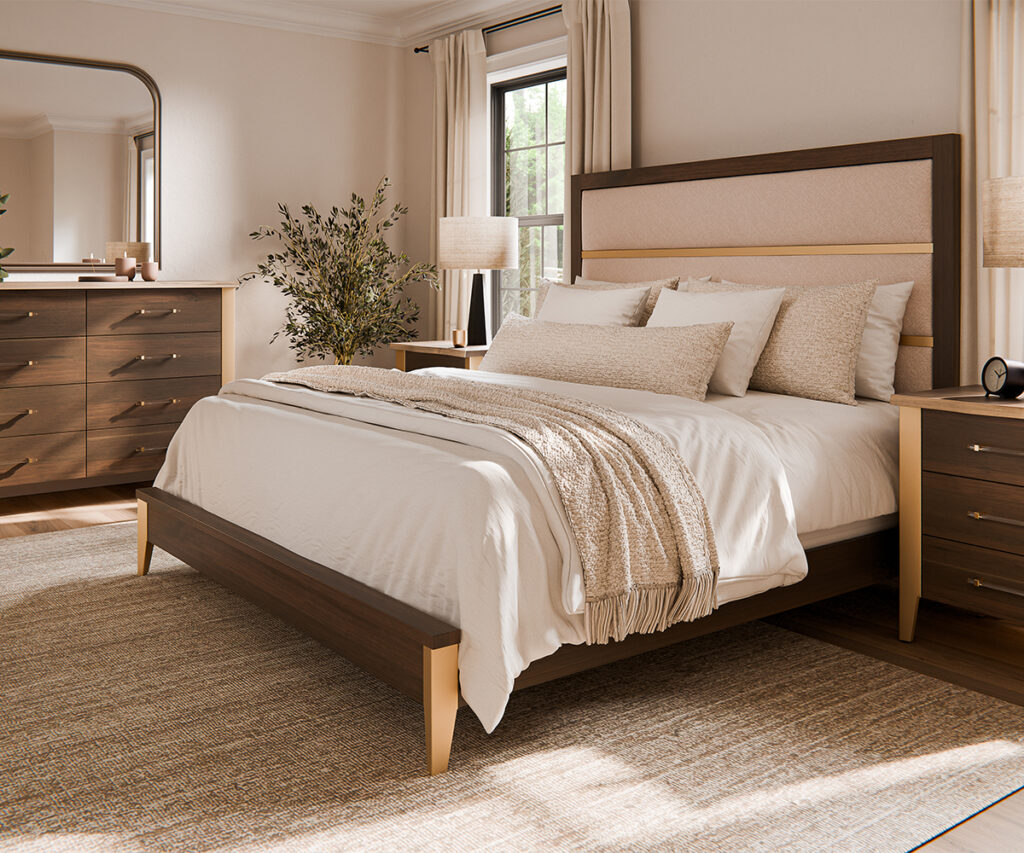
One of the most notable differences between Mission vs Shaker furniture is the thickness of the designs. Mission furniture is characterized by its heavy and blocky shape, which utilizes a substantial amount of material, whereas Shaker furniture is tapered and features a soft, minimalist appearance.
If you really examine the small details, you’ll notice that Mission furniture typically has parallel slats and exposed joints. Shaker furniture has thinner legs. Then, if it is an older design, it will feature wooden hardware, and if it’s newer, it will likely have metal hardware and trim molding.
Examples of Mission in Different Furniture Types
One of the best ways to familiarize yourself with a style is to study pieces made in the style. So let’s focus on some common Mission pieces.
Dining Furniture
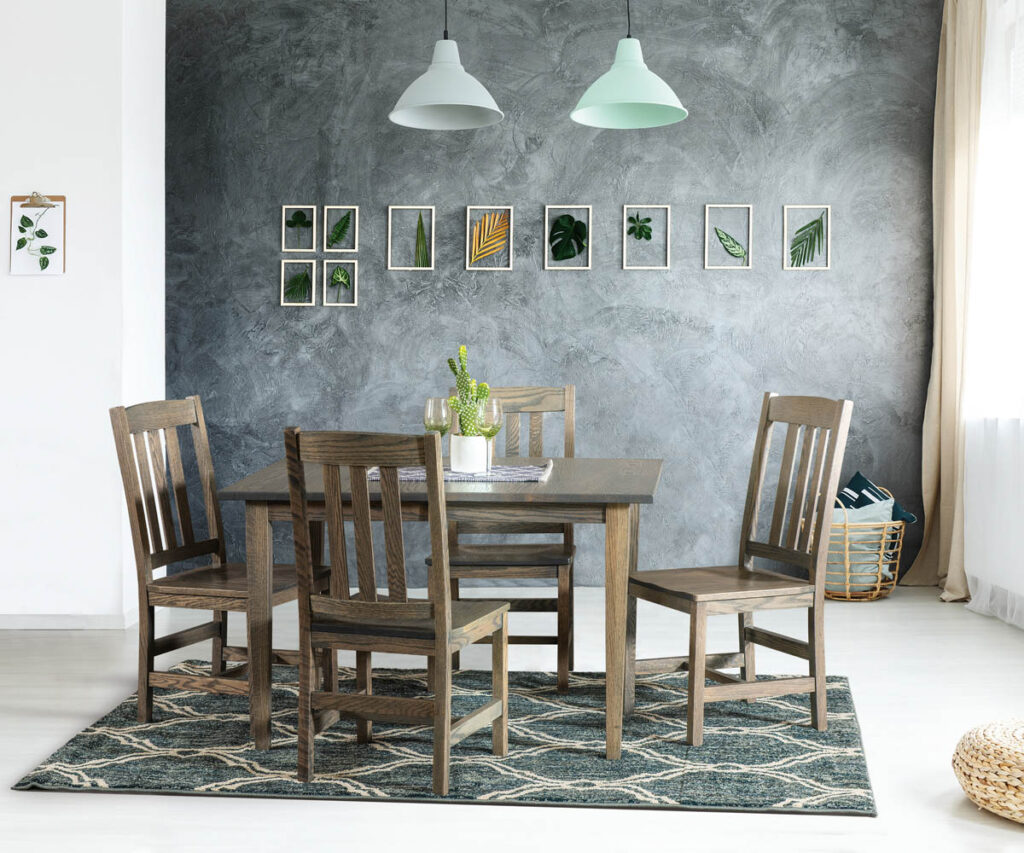
Something you may have noticed immediately is that this looks like the Farmhouse trend of the 2010s. Mission furniture was very quickly adapted into this trend because its simplicity and thick wood slats fit the look perfectly.
Living Room Furniture
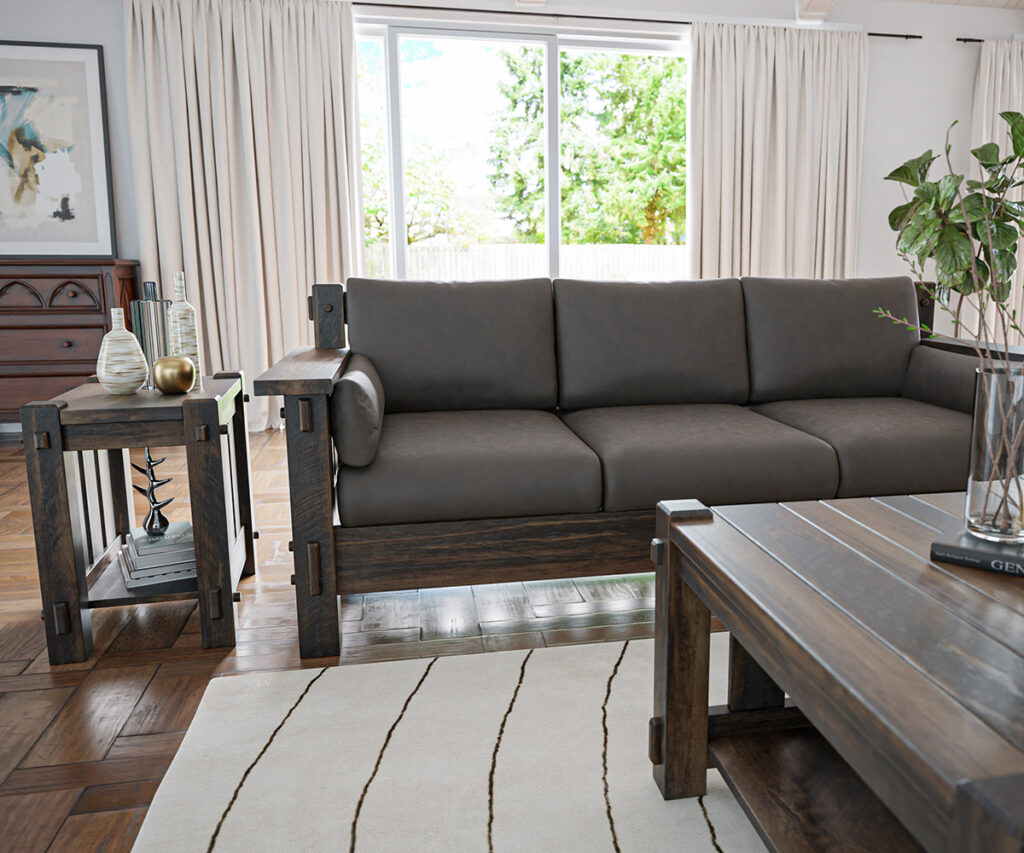
Mission furniture is a great style for those who love sofas with exposed wooden frames. The coffee table and end table sets are often very rectangular and blockish.
Bedroom Furniture
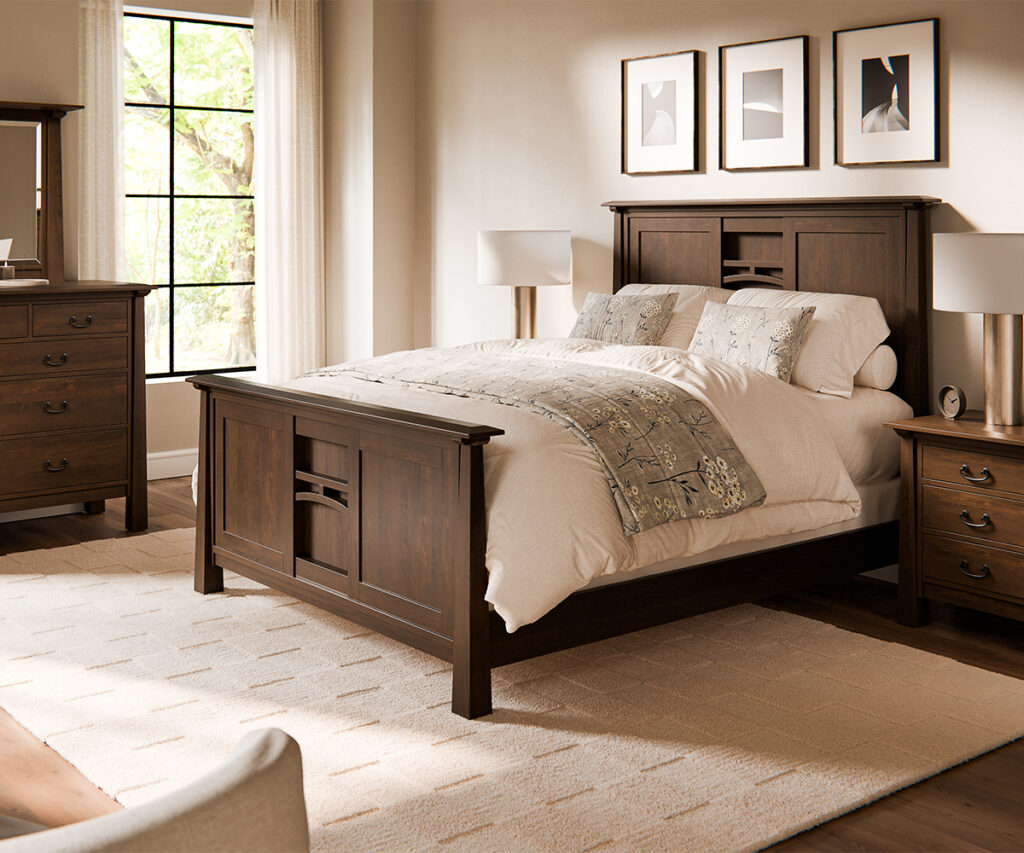
Mission bedroom furniture manages to still look comfy despite its bulk. Classic Mission-style beds have board toppers on the headboard and footboard.
Office Furniture
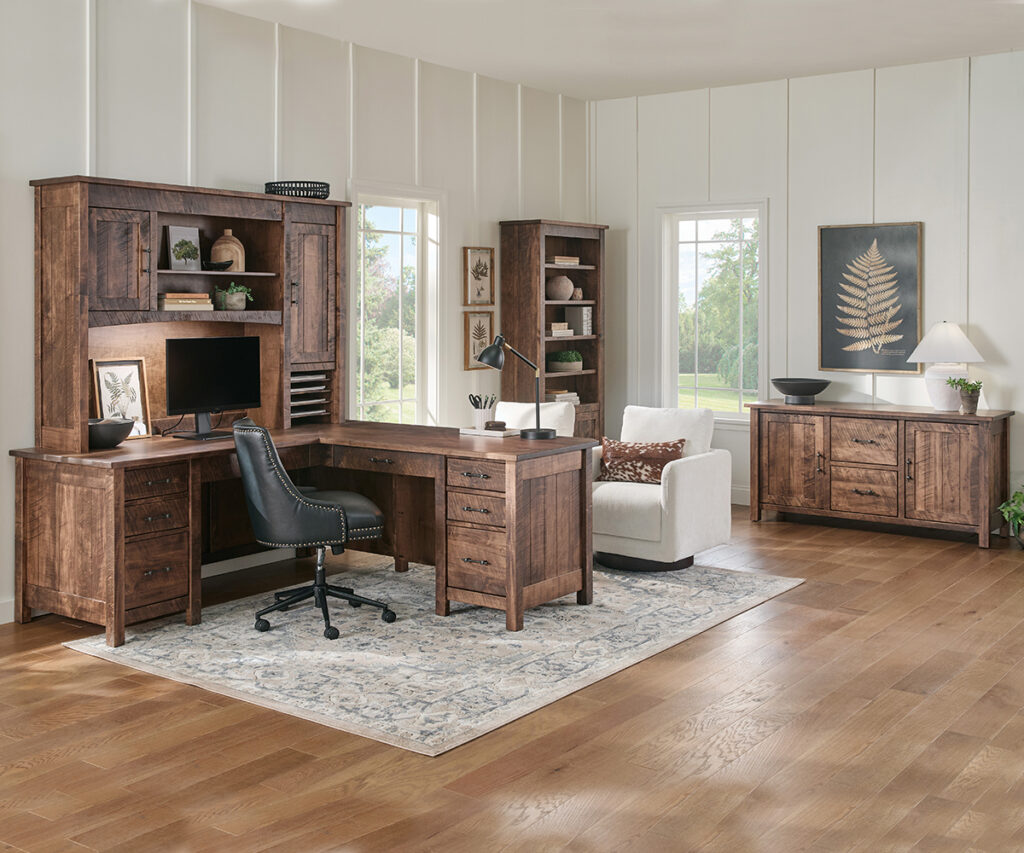
A common trend with Mission furniture is to use rough-sawn wood to achieve a rustic texture. This is only one of many wood textures you will see in Mission furniture.
Examples of Shaker in Different Furniture Types
If you examine Shaker furniture, you can see how this style is closely related to the trends of Minimalism.
Dining Room
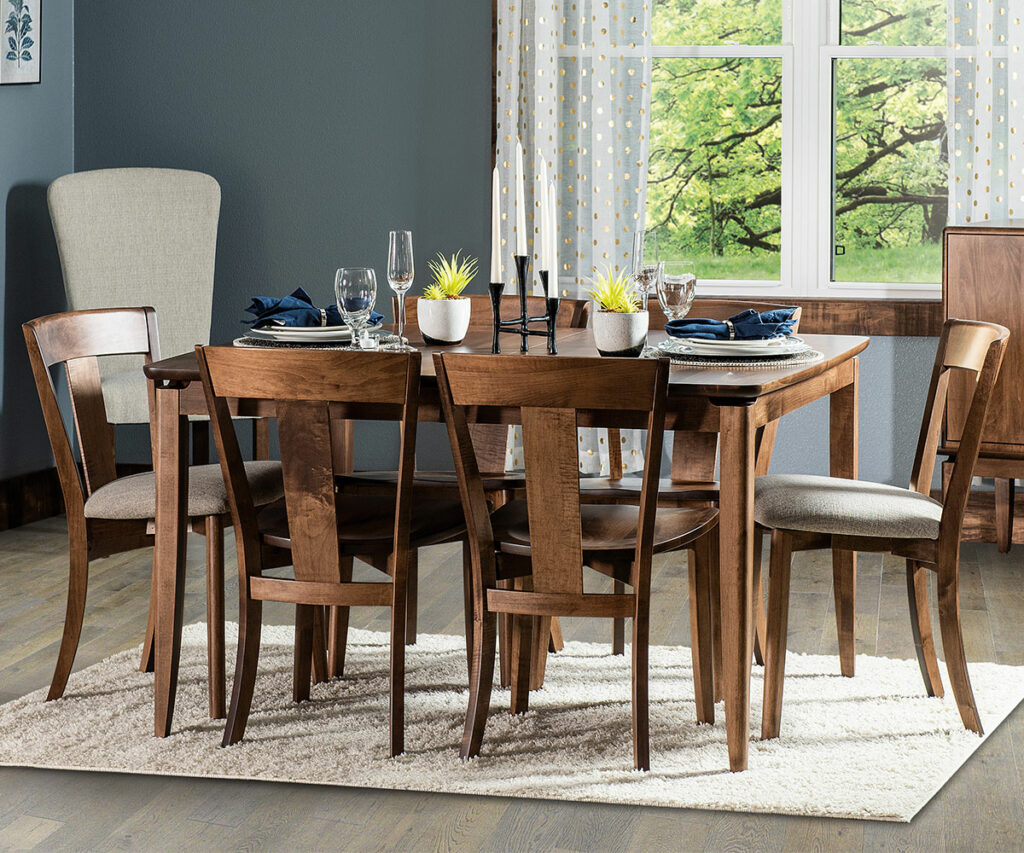
The tapered legs of Shaker dining furniture bring elegance into the simple design. This set shown does have upholstered seats, which is a modern addition to the style.
Living Room
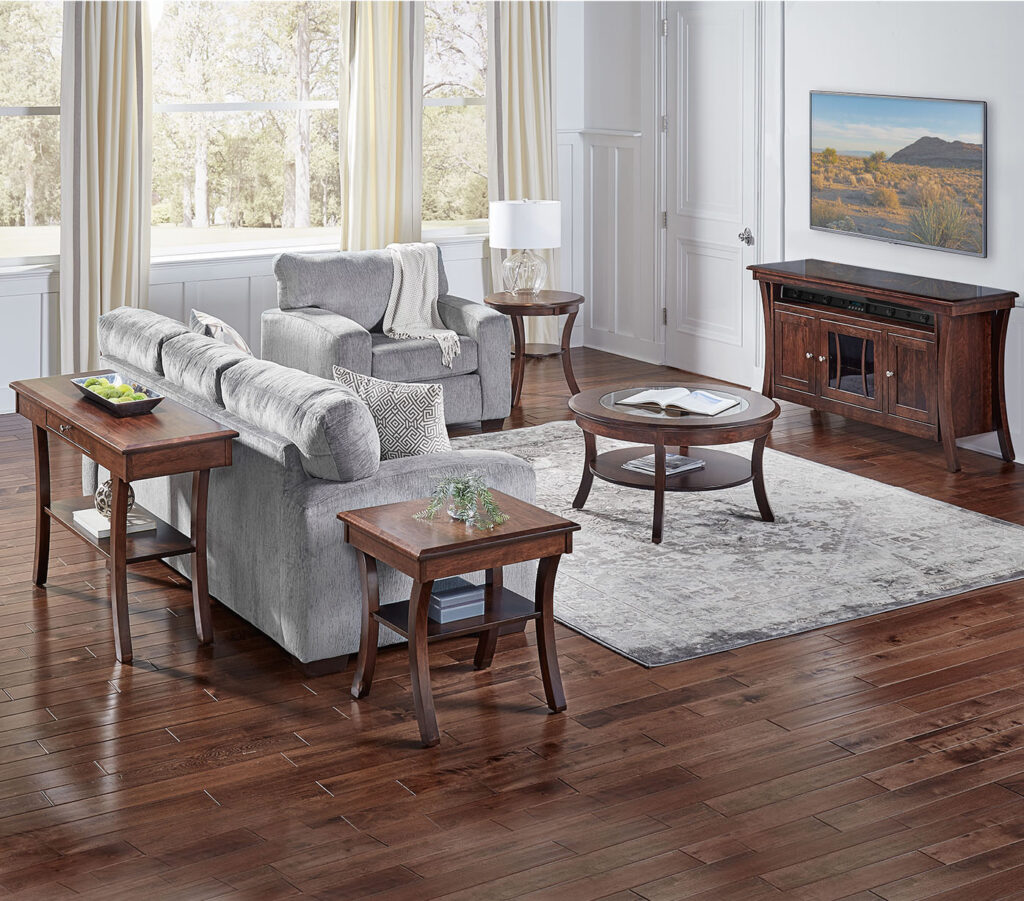
Shaker furniture will often feature shelving on every piece of living room furniture. This follows the practical nature of the style.
Bedroom
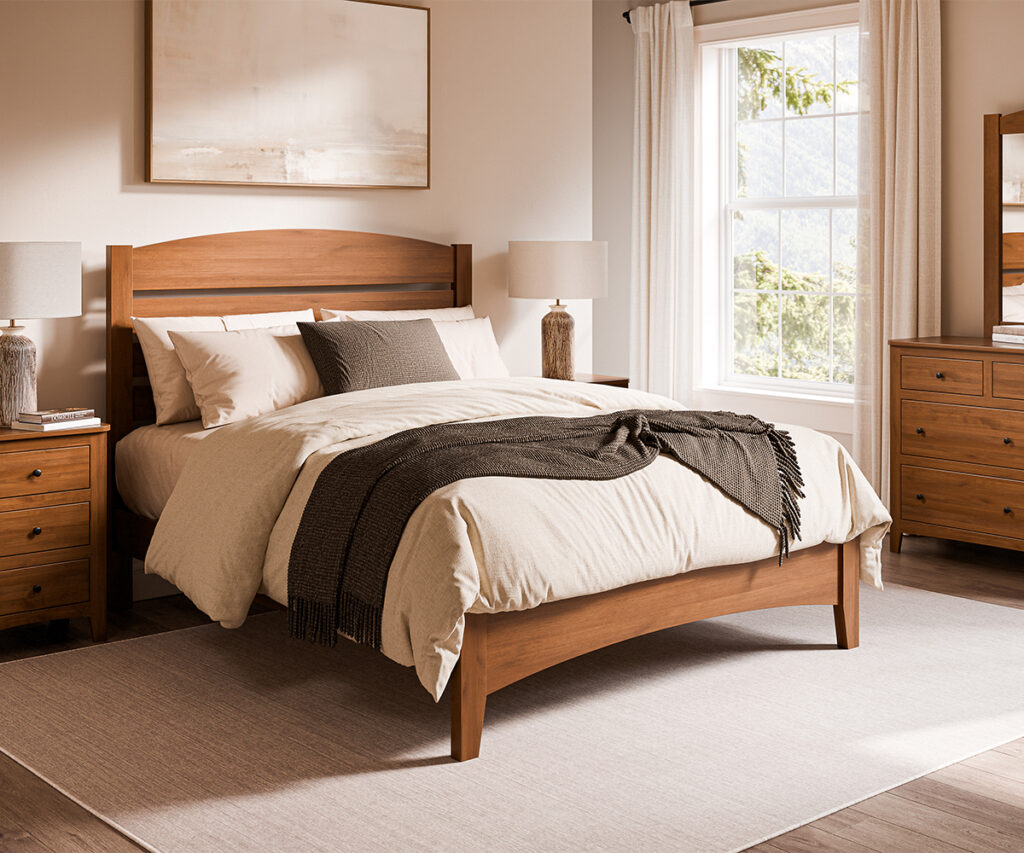
The biggest thing to look for to identify Shaker bedroom furniture is these traits:
- Uncomplicated designs
- Lighter stains
- Tapered legs
- Simple or wooden hardware
Office
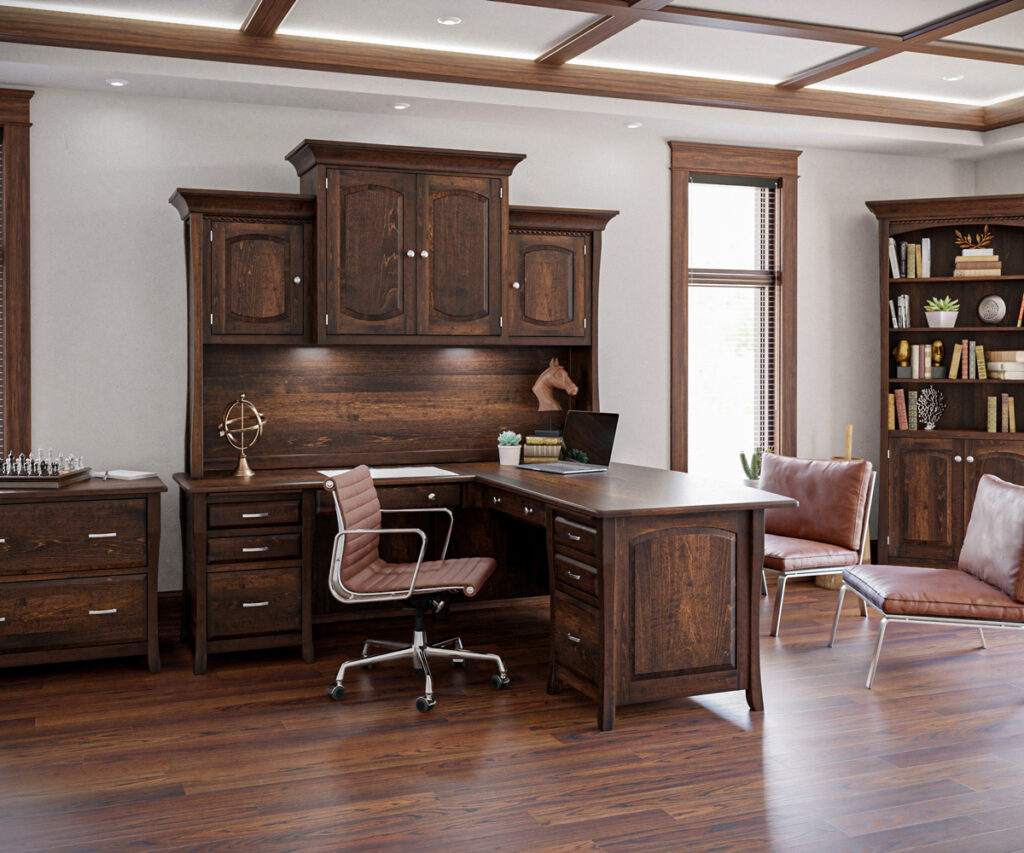
Office furniture is often where people struggle to tell the difference between Mission vs Shaker styles. The best place to examine is the legs; just look for their tapered shape, which is characteristic of all furniture in this style.
Mission vs Shaker Quality Comparison
Both of these styles are known as some of the most durable on the market. That’s because the styles focus more on durability and function rather than embellishment. If you like either of these styles, you won’t be disappointed by their longevity.
Think You Could Spot the Difference?
Now that we’ve compared the basic the difference between Mission and Shaker, you’ll probably notice them more the next time. There are plenty of other Amish furniture styles out there, but these two are sure to be at any store you stop at. Take the time to examine the quality the next time you get the chance. You might discover there’s a lot more detail beneath the surface level.