
Amish furniture makers display their values clearly through the pieces they make: solid wood is the primary material, the designs are heavy and durable, and each piece is meant to last generations.
If you’ve ever had a chance to explore Amish furniture, you’ll quickly notice that veneers are nowhere to be seen. Why do Amish use solid wood? Why do all of these builders stick to these practices so strictly – especially when it comes to materials? We’ll explore these two materials in more depth in this article so you can understand why Amish craftsmen stick to solid wood and traditional building practices.
Solid Wood vs. Veneer: A Breakdown
Identifying Solid Wood in Furniture
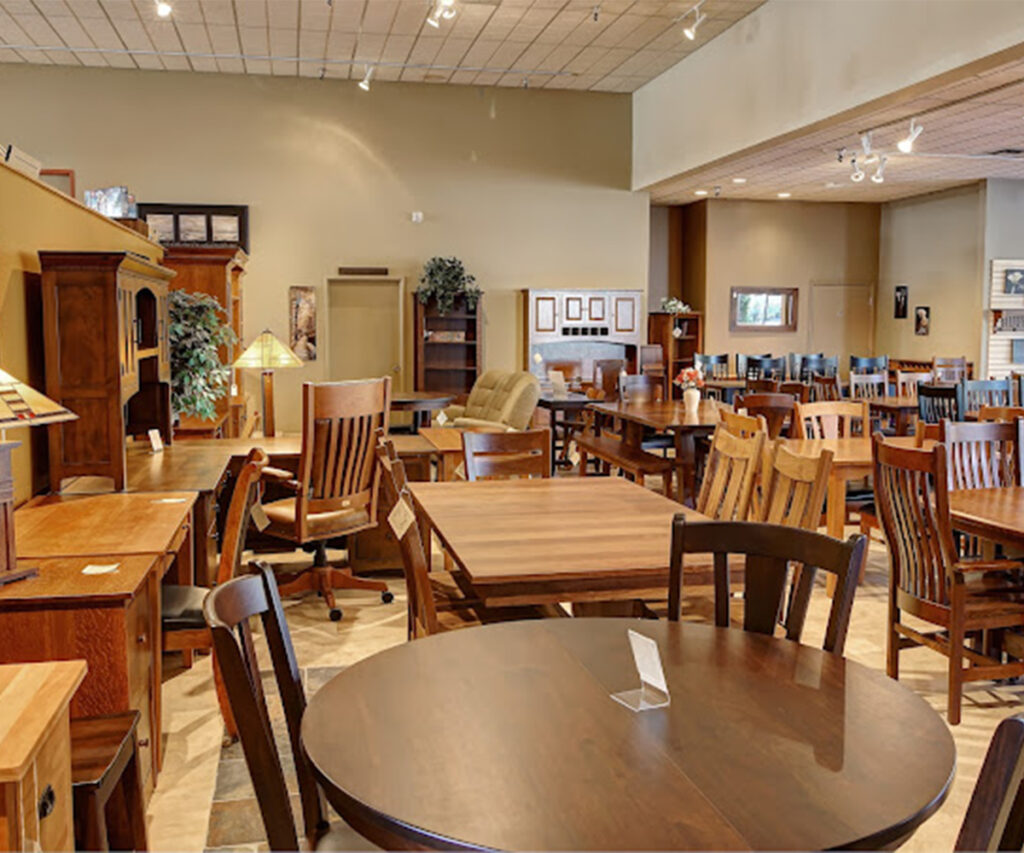
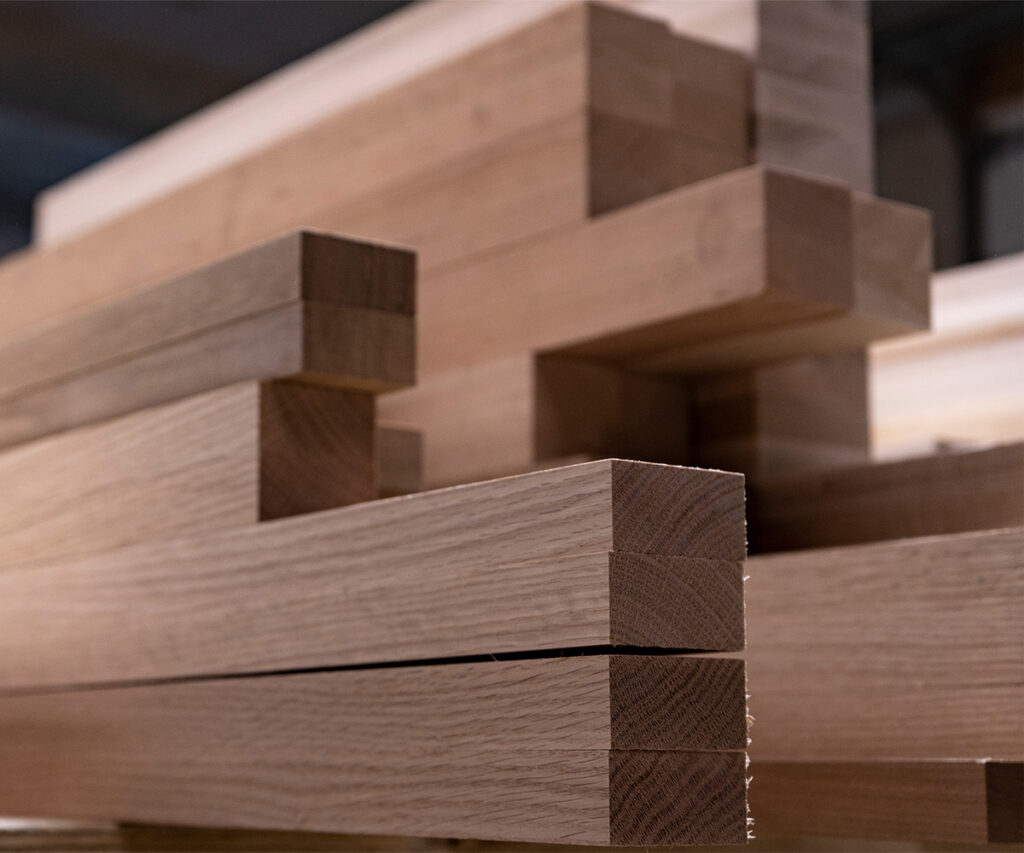
Solid wood can be defined as boards and pieces cut directly from logs (such as oak, maple, cherry, walnut, etc.). When you take in the details, you’ll notice that solid wood furniture displays:
- Authentic grain patterns (no repeats)
- Thick, consistent sections of one material
- Depth and character improve with age
- Naturally absorbed stain
What Are Veneers?
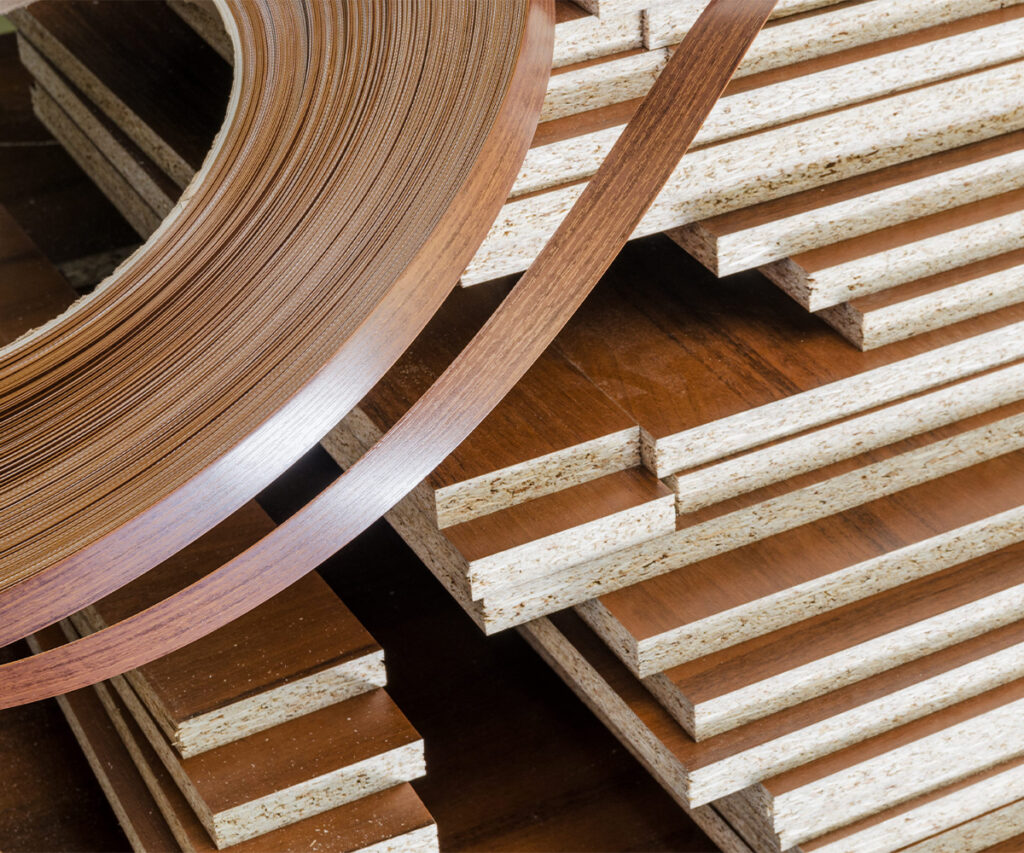
If you know what to look for, it’s easy to identify the differences that veneers display:
- A thin layer of real wood glued over plywood or composite, like MDF. It’s the layer that provides color and wood grain, and it’s a very small percentage of the actual sheet.
- Lighter builds
- Common in mass-produced furniture
- Uniform or artificial coloration/patterns
Key Differences at a Glance
We’ll explore each of these points further in the article, but here’s a quick look at the most important differences that led Amish furniture makers to use solid wood and avoid veneers.
- Structure – Solid wood will feel more sturdy, while veneers may easily bend or sway under pressure/weight.
- Longevity – On average, a piece made of veneers lasts 5-10 years before major wear or breakage affects its use or appearance. Solid wood is often praised for lasting 20 years or more before any major damage requires attention.
- Repairability – Veneers do not have a structure that allows them to be sanded or stained. Solid wood can often be repaired at any stage of damage.
- Cost – Veneers are a less expensive option, which can lower costs for the consumer. However, this can also affect the appearance and structural integrity of a piece. As we’ll explore further in this article, initial savings can often result in more frequent upkeep/replacement costs down the line.
Repairability and Longevity
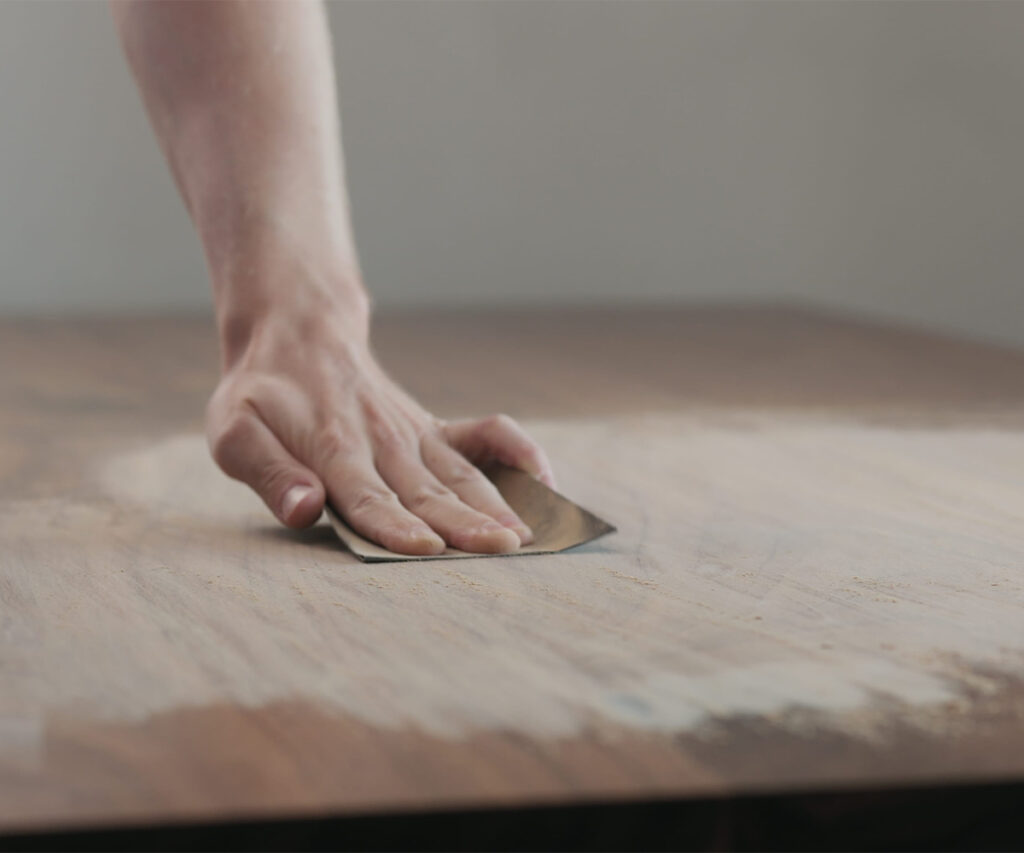
Solid wood can be:
- Sanded multiple times if needed
- Refinished/Painted
- If hardware needs to be replaced, you can easily do it without causing damage to the piece
Veneers:
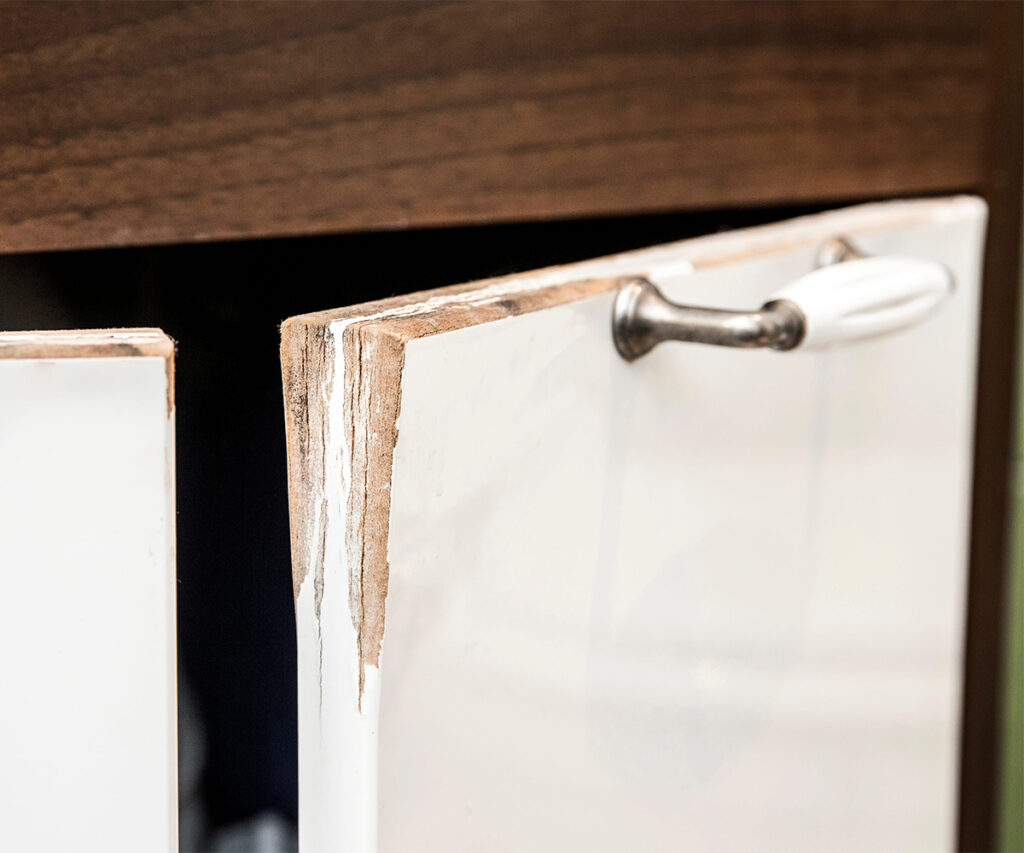
- Limited repair options due to glued/pressed layers that easily get brittle or fall apart if sanding is attempted.
- Hardware replacements are one of the few repairs that often go smoothly
- Damage is often permanent since the veneer coating is a thin layer
Joinery and Construction Compatibility
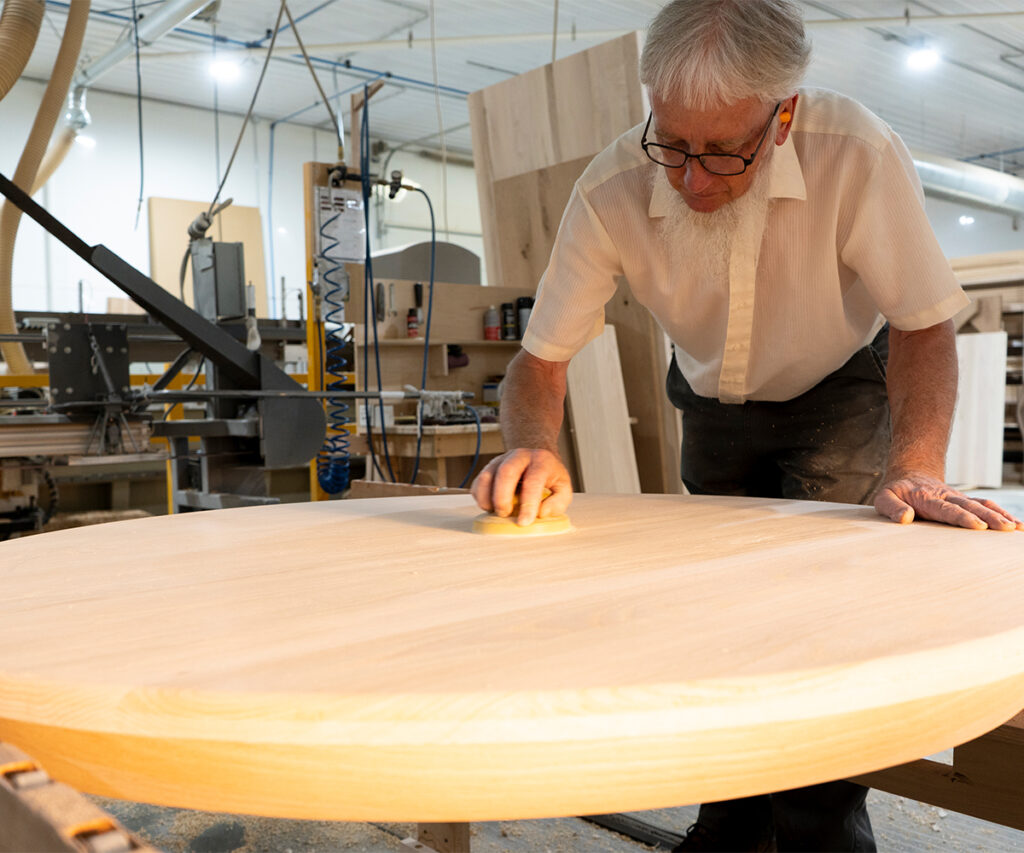
One of the most notable reasons the Amish prefer to build with solid wood is that they can continue to use their traditional building methods. Solid wood has sufficient structural integrity to be used in common joinery techniques such as dovetails and mortise-and-tenon. Building furniture with joinery requires materials that can be easily manipulated into puzzle-piece shapes that lock together without the need for screws, nails, or glues that are harmful to your health and the environment.
Veneers are too feeble to withstand the shaping and stress required to properly execute traditional joinery. They also don’t respond to humidity in the same way as solid wood, which would prove to be detrimental to the structure of the joinery over time.
Resistance to Moisture and Wear
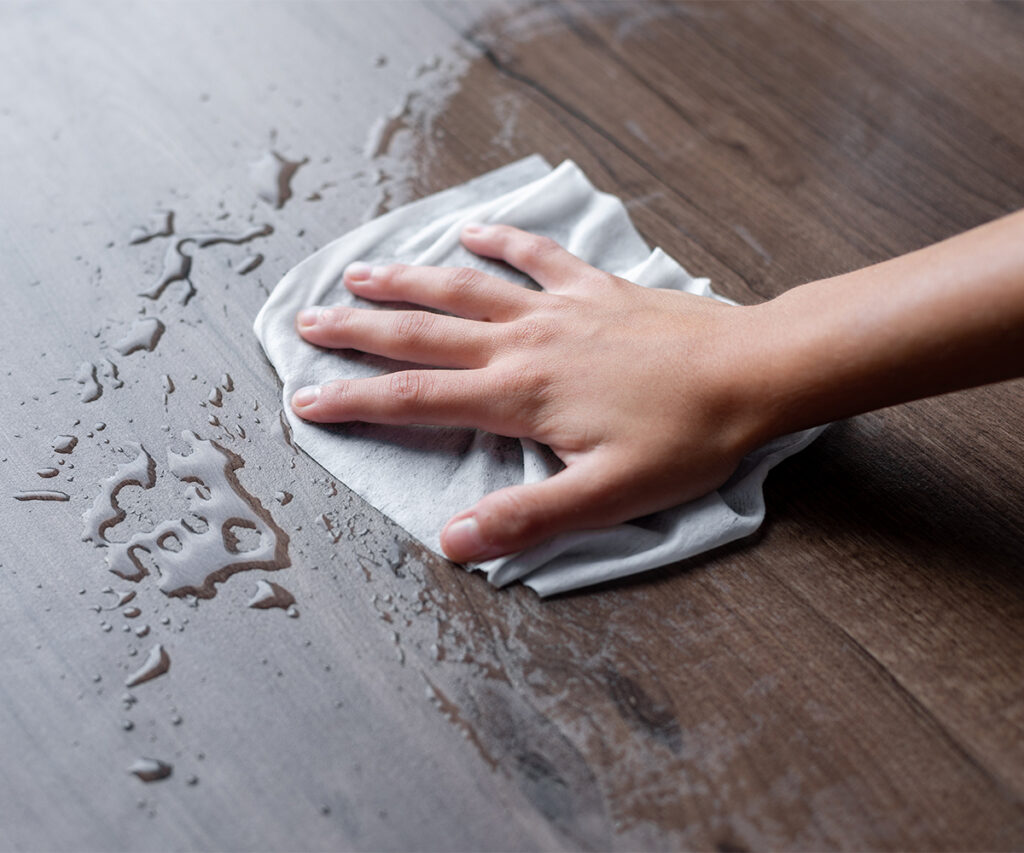
Veneers are known to bubble, crack, or peel when humidity changes are noticeable. On the other hand, solid wood expands and contracts without compromising the overall appearance and durability of the piece.
While there are varying levels of hardness in solid woods, the common American hardwoods used by Amish builders rank high enough on the hardness scale that they resist dents more than veneers. There is also no risk of your solid wood furniture peeling since the stain is soaked into the material – unlike veneers, which are just a thin sheet of wood laminated to particleboard or MDF.
How Heavy is Too Heavy?
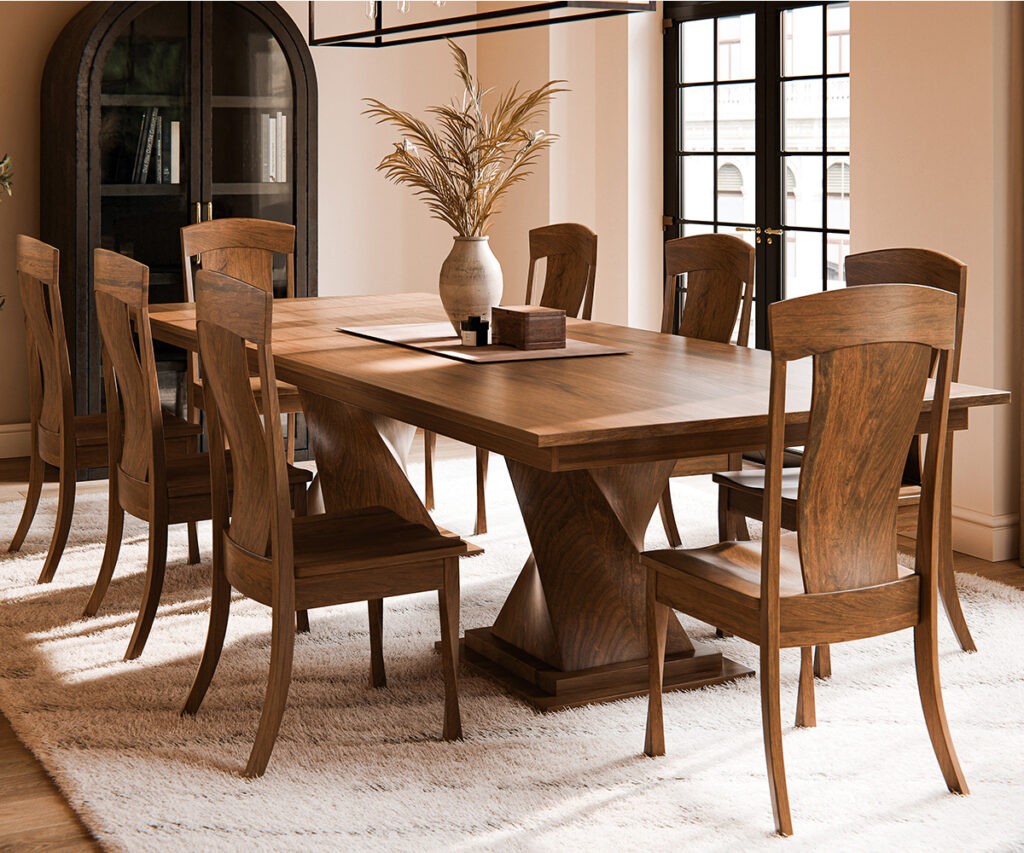
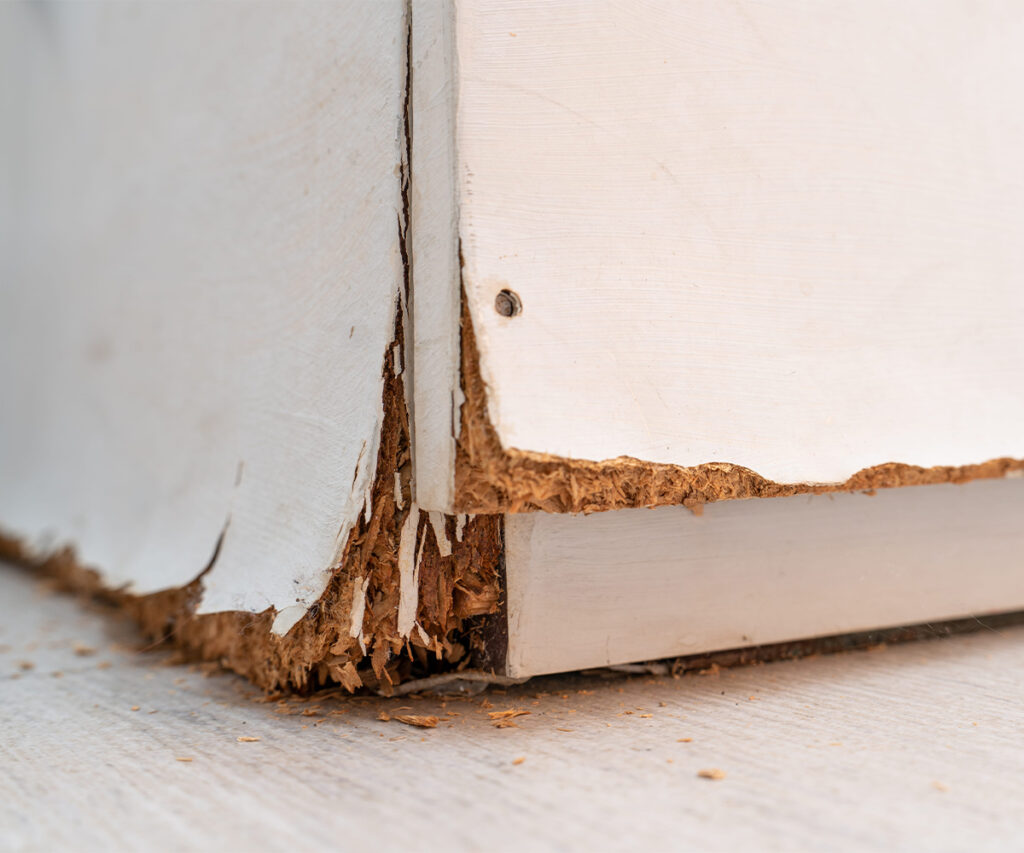
The most noteworthy difference in durability between solid wood and veneers lies in their ability to withstand constant use and weight. Veneer furniture has a much lower tolerance for heavy use and weight because the material isn’t a solid, consistent piece/board of real wood. The glued and pressed material is susceptible to weak pressure points – resulting in warping, bowing, and splitting.
Solid wood isn’t immune to damage, but as we mentioned earlier, it handles it better and longer. Plus, it can be repaired if someone is too rough with the furniture. While splintering and scratching are much rarer, they can easily be repaired with a little sanding and refinishing.
Cost vs. Value
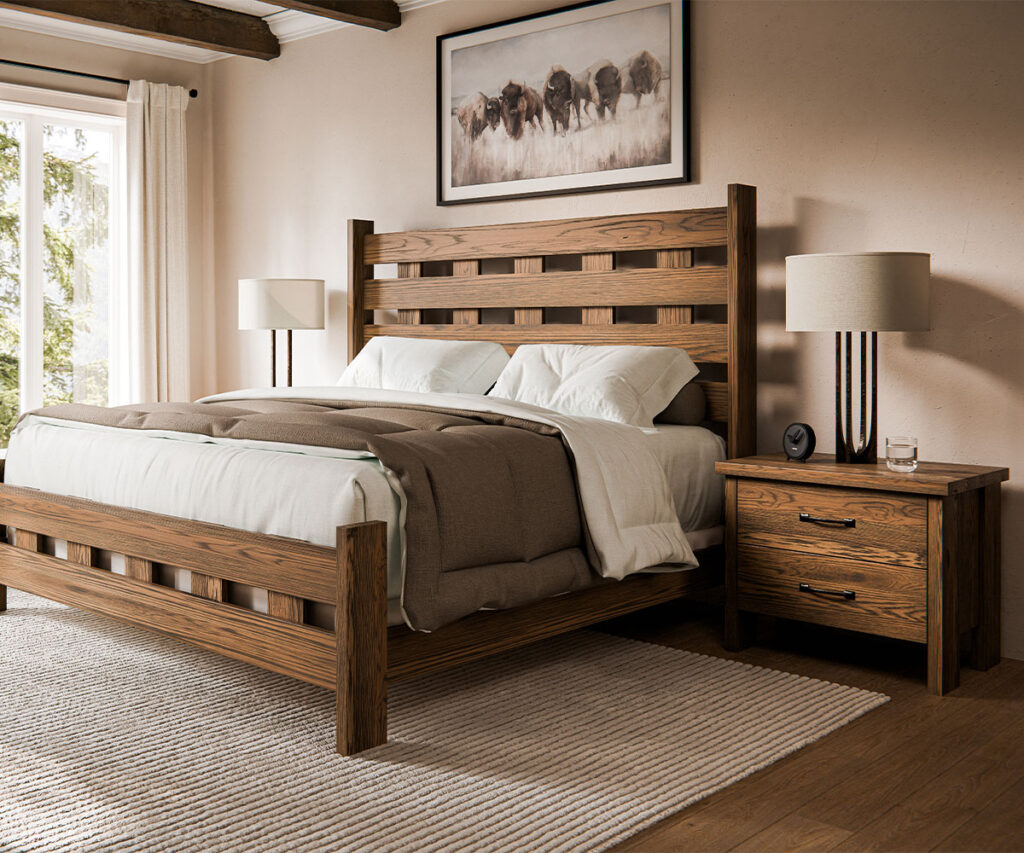
Initial cost may be considered the one area where veneers have the upper hand. Solid wood does have a higher upfront cost, but it’s also considered a lower lifetime cost given the furniture’s longevity. Veneer furniture can’t offer that since it isn’t easily repairable and will need to be replaced sooner.
The lower cost of veneer material doesn’t really help Amish builders, since they value making furniture that can last for generations. Building anything less than that would go against their business values.
Common Misconceptions About Veneers
Let’s tackle some things that are often said about veneer but don’t clearly reflect the material’s quality and makeup.
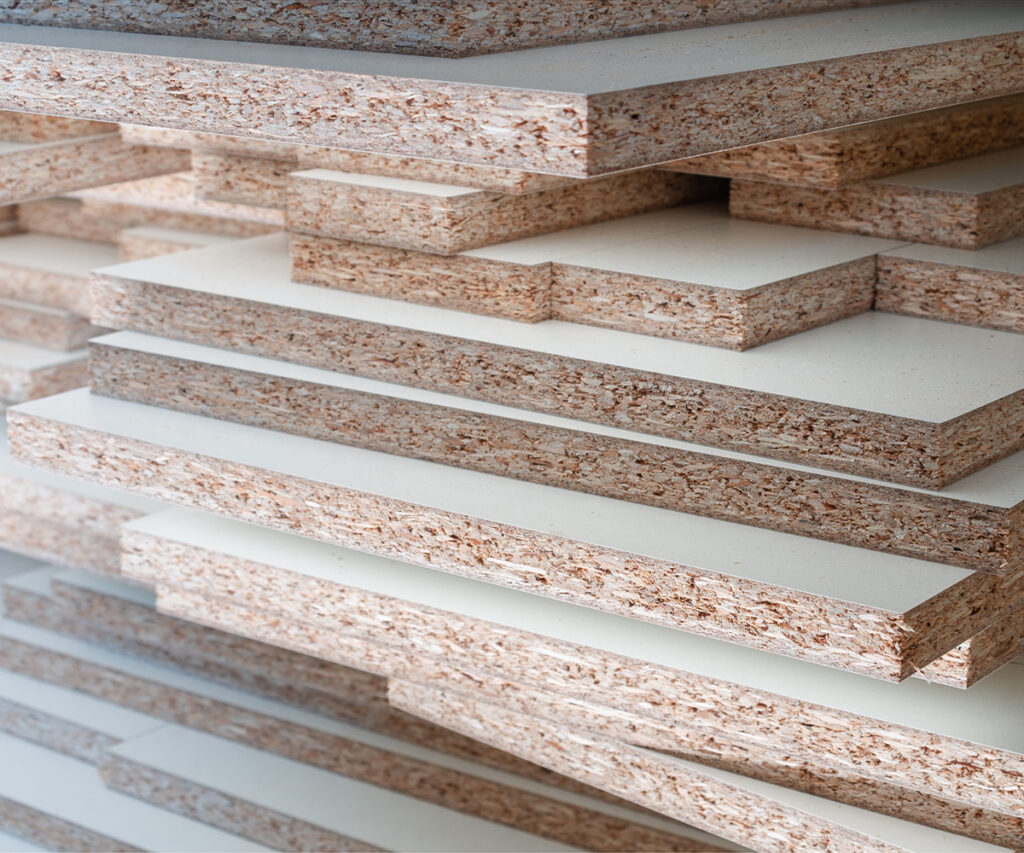
“Veneer is always real wood.” While there is technically real wood used in veneer, it’s not a solid, consistent section. It’s a thin surface layer that removes the wood grain’s durable makeup.
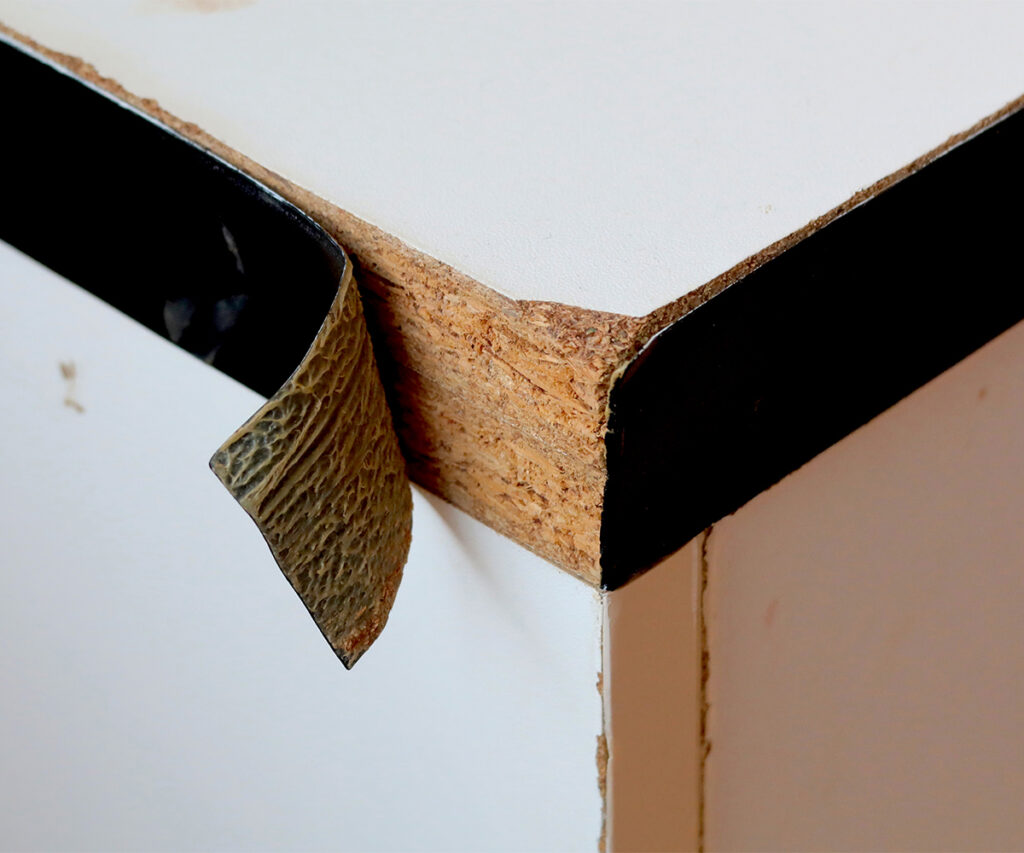
“Your veneer furniture will last just as long.” This statement lacks sufficient real-world evidence to be true. While pieces that are merely cosmetic might stand the test of time, the same can’t be said for commonly used items like tables. Under different climates, direct contact, and regular use – veneer doesn’t hold up in testing. You can see a clear example in this furniture material comparison chart by Oak and Loom.
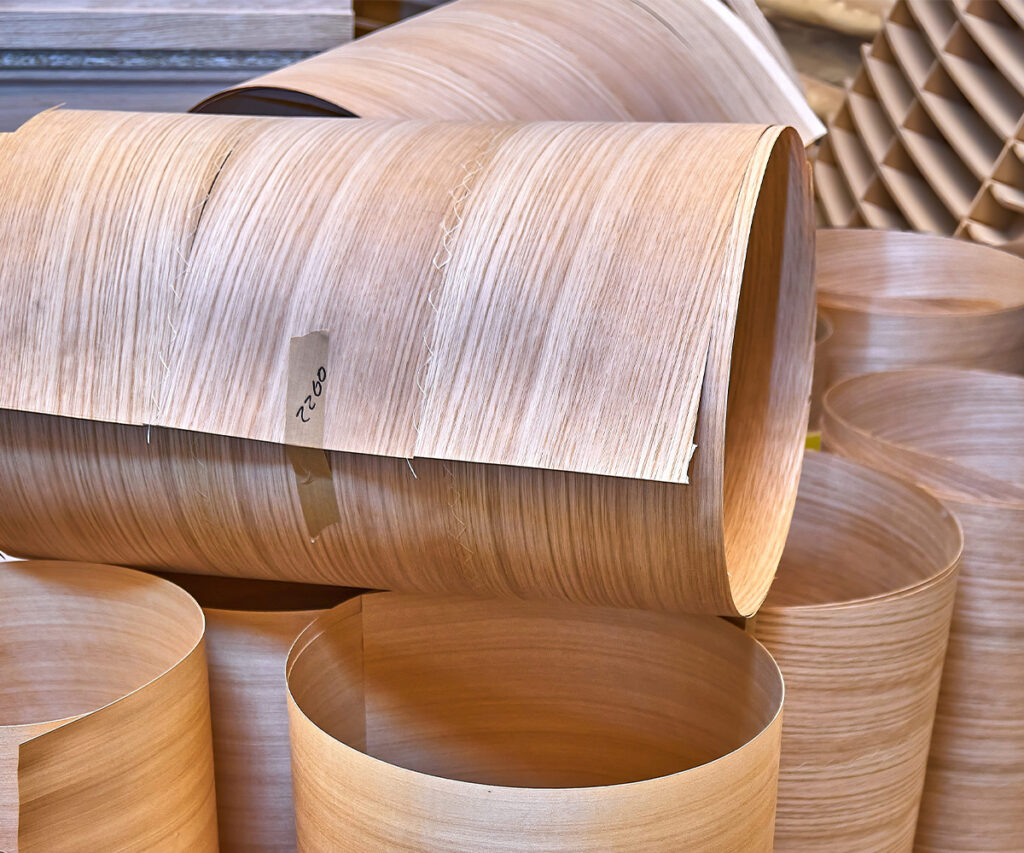
“Unless you’re looking really close, you can’t tell the difference.” Without a trained eye, this statement feels reasonable when buying a new piece. However, even an untrained eye can see a difference over time. You’ll start to notice the wear and the cheap materials peaking through.
When Veneers Are Used
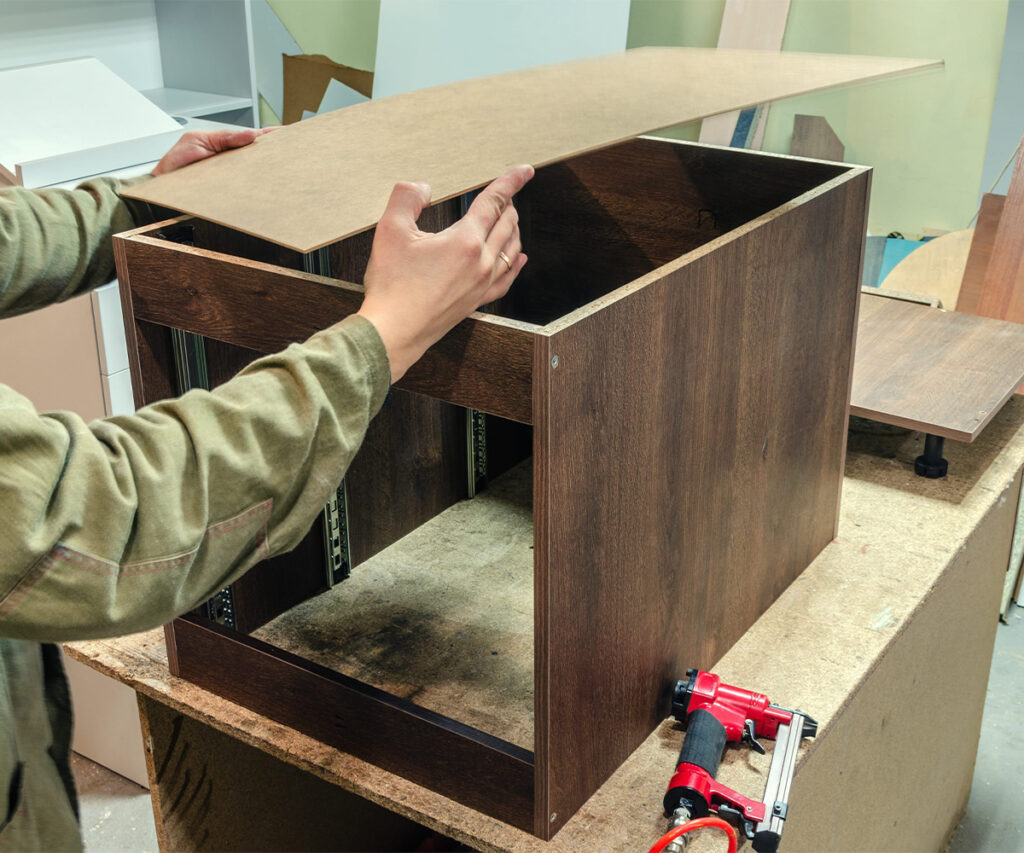
While the Amish may not rely on veneers, there are times and places for them in the furniture world.
One of the most common uses is to have a beautiful but cost-effective decorative surface. The thin layer of wood can easily be applied to more than just a piece of plywood.
Amish woodworkers see no need to cater to just the cosmetic side of home goods. They believe in making pieces that are functional and visually beautiful. Nothing goes to waste when they use solid wood, and everything is carefully designed with purpose.
Why the Amish Philosophy Matters: Built to Last Generations
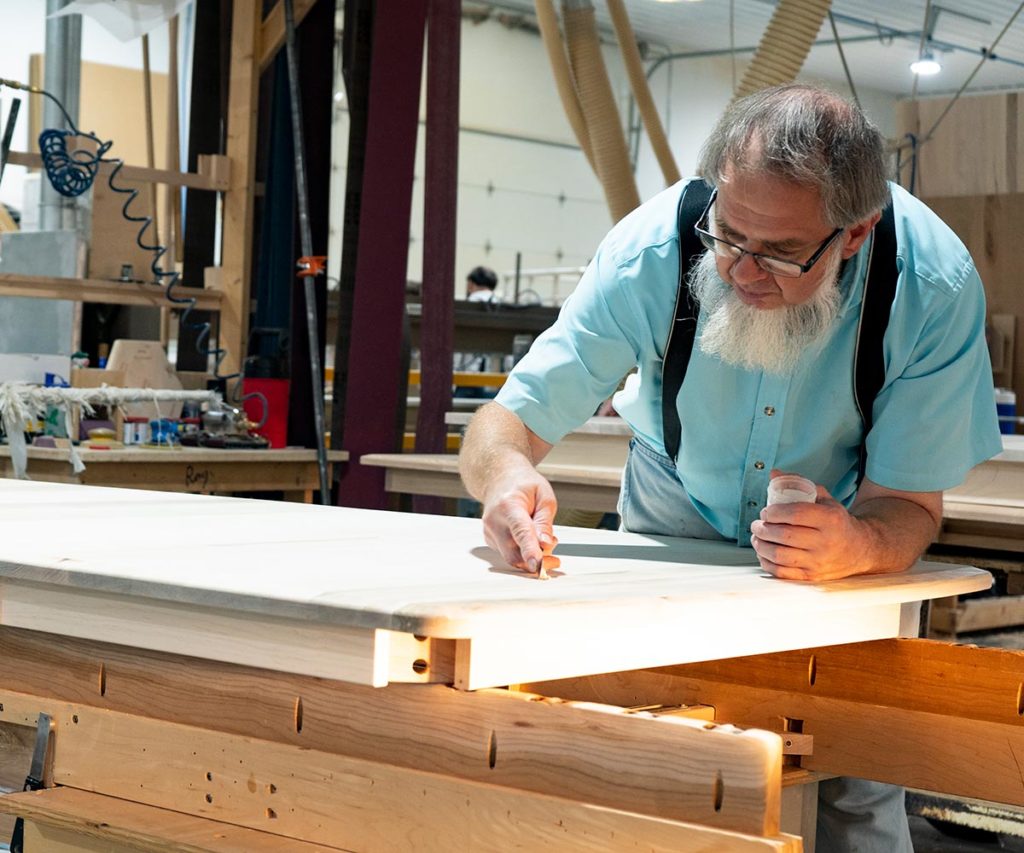
Within the Amish community and among fans of craftsmanship, furniture is seen as an investment rather than a quick trend or disposable purchase.
Coming from a simpler lifestyle, the Amish place greater value on hard work and stewardship, which is reflected in their craft. Their heirloom-quality construction is truly unique to their culture, and while they’ve expanded their reach and explored new designs and trends, the core values behind their business have never changed. Which is exactly why they’ve never needed to stray away from solid wood.